Marketing today isn’t about long attention spans or predictable user journeys. Users jump between different apps, searches, and messages, following whatever catches their eye in the moment. It’s in those tiny windows of intent—the seconds when someone reaches for their phone to check, compare, learn, or buy—where decisions are made.
These are called micro-moments.
They are brief, high-intent interactions where a user wants something right now. It might be a quick search, a 10-second TikTok tutorial, checking directions on Maps, or tapping through Reels for inspiration.
Google originally defined four types of micro-moments that still shape how people behave today:
“I-want-to-know” moments when someone is actively learning or researching
“I-want-to-go” moments when they’re looking for a nearby place or destination
“I-want-to-do” moments when they need help completing a task or trying something new
“I-want-to-buy” moments when they’re ready to purchase and weighing options
Together, these small moments build the entire customer journey.
In this article, we’ll break down how micro-moments show up across different platforms, how leading brands tap into them, and the strategies you can use to stay relevant in these fast, intent-driven moments.
Key takeaways
Micro-moments are the intent-driven seconds when people reach for their devices to learn, find, do, or buy something. They occur constantly across platforms.
The customer journey is no longer linear. People jump between apps, formats, and content types in minutes, meaning brands must show up at the right time, not just in the right place.
Meta, TikTok, Snapchat, and Google shape micro-moments differently. Strategies should be adapted for the platform rather than following one “universal” approach.
AI-powered tools like Meta’s Advantage+, TikTok’s algorithm, and Google’s intent signals help surface your ads when users are most receptive—but only if your creatives speak to those moments.
Real-time measurement is important. When you monitor creative fatigue, watch for shifting intent signals, and update ads quickly, you can stay aligned with users’ fast-moving behavior.
Cross-platform tools like Birch make this process easier by bringing all your data, trends, and alerts into one place so you can react the moment behavior changes.
What’s changed—Meta’s research and the shift to non-linear interactions
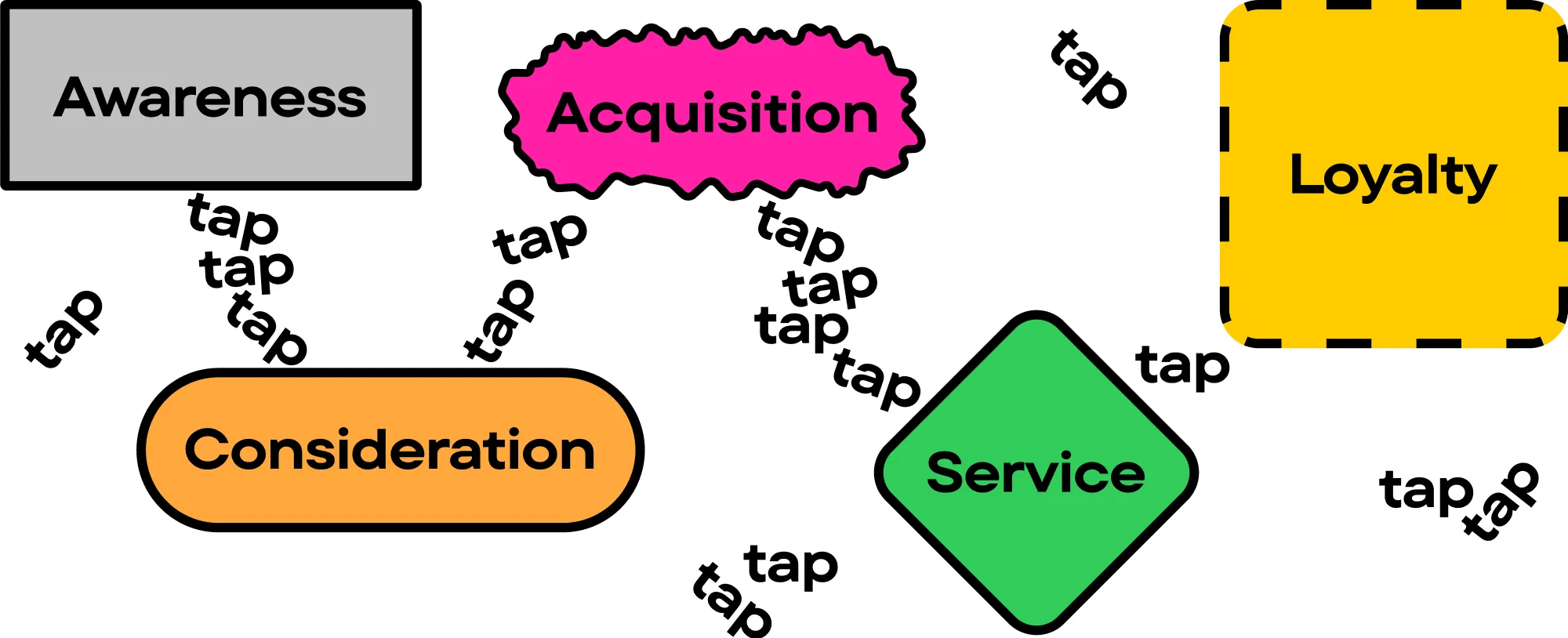
Over the past few years, Meta has found that people no longer move through a neat, step-by-step buying journey. The conventional, linear funnel is now outdated. Non-linear, omnichannel interactions, iterations, and moments of influence are having the most impact.
These days, users move in loops—from discovering a new brand to forgetting about it, seeing it again somewhere else, and eventually taking action when something clicks.
It’s no longer that one ad, video, or search that influences a user. What really makes the difference is the combination of all the little touchpoints along the way—like a quick Reel they watched half of or a product they saw promoted on TikTok but didn’t tap.
All these micro moments add up, and they often matter more than a full-length campaign.
Because users behave this way, the idea of engagement is shifting. Long-form content still has its place, but what tends to work best is a series of small, meaningful interactions that fit naturally into someone’s day.
Reach still matters, but relevance is what wins. You can reach millions of users and still feel invisible if the content doesn’t match the moment a person is in.
Brands have an advantage when they notice the small intent signals, adapt quickly, and show content that actually resonates with the user—the content that matches what they’re thinking and feeling right then and there.
💡 Pro tip: Micro-moments move fast, and you need tools that move with them. Birch connects automation, creative testing, and real-time alerts across platforms, making it easier to react to what people are doing in the moment.
How each platform approaches micro-moments
Meta—building momentum with Reels and Advantage+
Users check Meta apps throughout the day, sometimes without even thinking. That makes Meta a natural home for micro-moments. Whether someone is scrolling for inspiration, killing a minute between tasks, or looking for quick answers, those brief stops are chances for your brand to appear at exactly the right time.
Formats like Reels and Stories are designed for these fast interactions. They deliver quick, visual hits of information that match how people actually use their phones. Home Depot’s short “how-to” videos are great examples. They surface just as users are searching for DIY help, meeting them in the moment they need guidance.
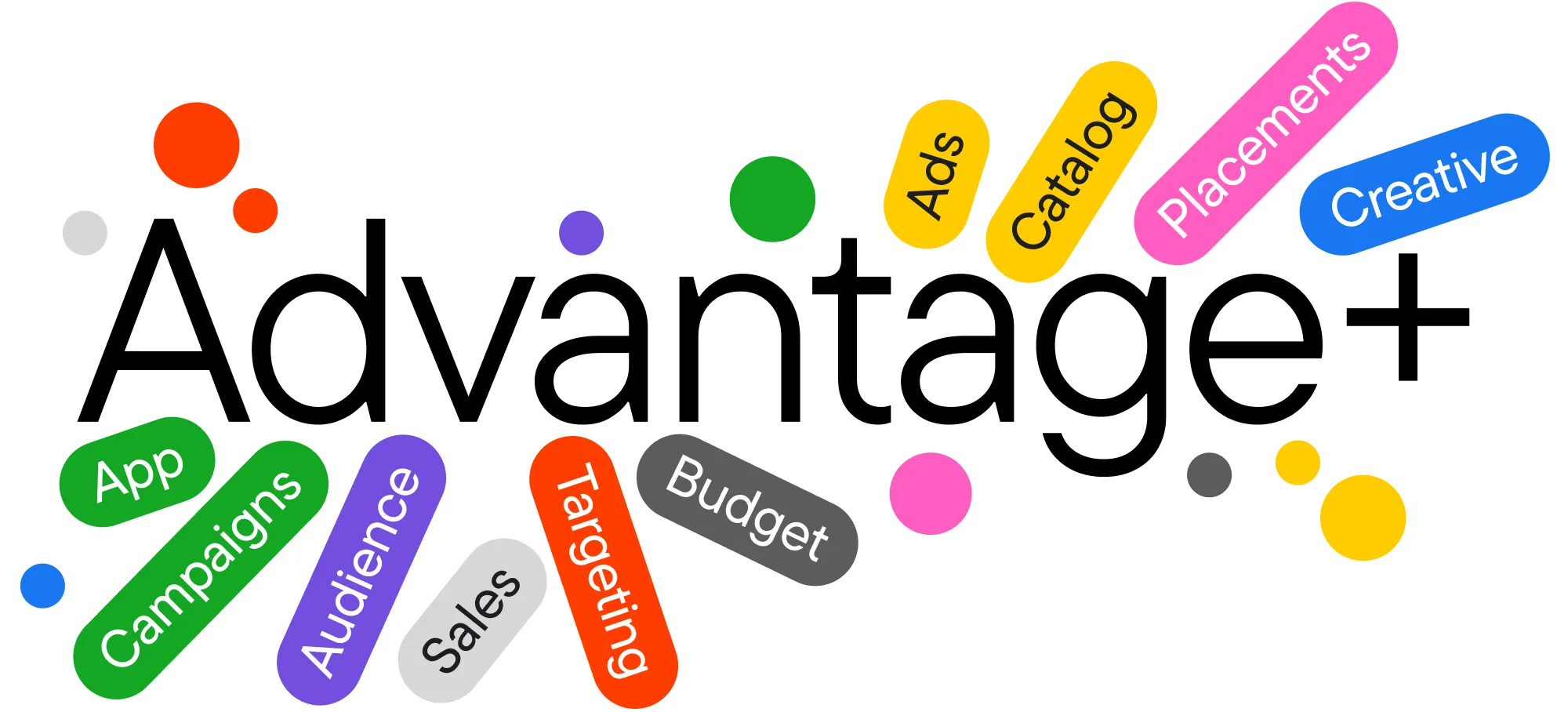
Meta’s Advantage+ suite takes this a step further. Its AI tests creative variations, adjusts targeting, and reallocates budget in real time.
Behind the scenes, Meta keeps learning. If someone watches your Reel but doesn’t convert, Meta registers that behavior and adjusts delivery, testing new creatives or placement automatically.
When your campaigns rely on fast, fleeting micro-moments, you need a clear view of what’s actually working and what’s starting to slow down.
That’s where Birch’s Explorer for Meta makes a difference. It tracks your key metrics in real time, compares creatives side-by-side, spots early signs of ad fatigue, and quickly pinpoints the formats or posts driving the strongest results.
TikTok—native short-form and intent through entertainment
TikTok is built for micro-moments. The algorithm constantly reacts to user behavior, creating an “always-on” discovery loop. People don’t come to TikTok with a plan. They come to be entertained—and that’s why the smallest spark of interest can become an “I want this” micro-moment.
Sound plays a huge role. According to a report by Markopolo.ai, 88% of consumers say sound is what makes the TikTok experience. A strong sound or hook grabs attention and makes a product or idea stick.
Creators amplify this. They turn brand messages into content that feels natural, personal, and genuinely useful. A simple “here’s what I bought” or “watch this quick hack” clip can trigger thousands of “I-want-to-buy” moments because it feels like a recommendation from someone you trust.
Because TikTok’s algorithm moves so quickly, creatives that don’t perform within hours get deprioritised. You need a real-time read on what’s resonating so you can tweak hooks, swap clips, or jump onto emerging trends while they’re still hot.
TikTok Ads Manager helps highlight early engagement patterns, showing which videos are catching attention or losing it. That makes it easier to adjust your strategy in the moment.
Snapchat—ephemeral content and contextual intimacy
Snapchat ads and stories are deeply connected to real-life moments, whether it’s location-based targeting, live events, or social interactions between friends. This context makes the content feel natural. A quick restaurant ad seen before lunch or a product demo surfacing near a relevant event can spark those “I-want-to-go” and “I-want-to-buy” moments.
Snapchat content disappears fast, which encourages immediate reactions. People have to think and decide right away, creating a sense of urgency. Limited-time offers, behind-the-scenes, and flash drops are some of the strategies that tend to perform well because they create that “now or never” feeling.
Every interaction, no matter how small, helps refine targeting and creative decisions, showing which messages or visuals are genuinely resonating. With Snapchat Ads automation tools, those adjustments can happen instantly.
Voluminous Original Mascara campaign results
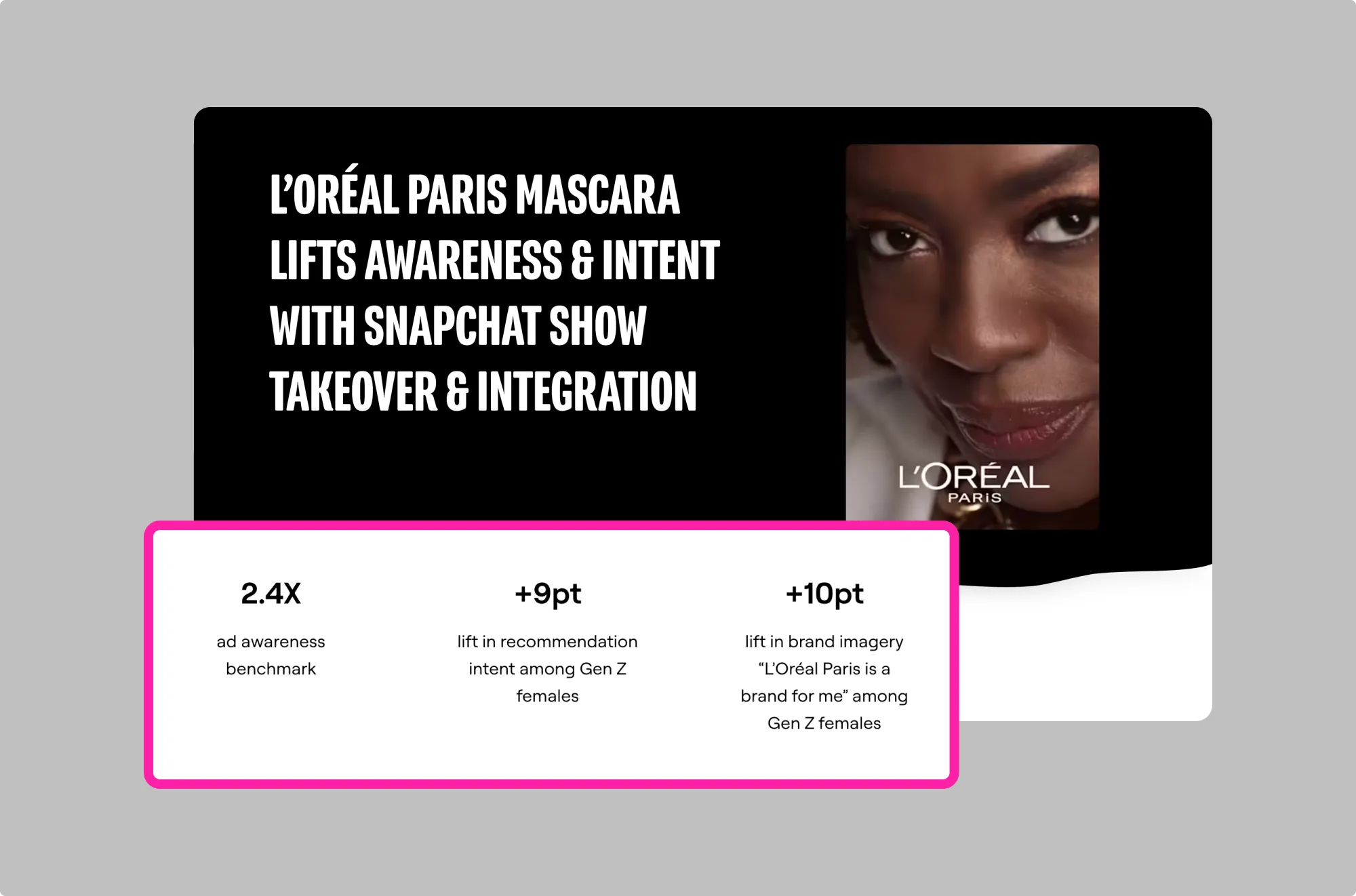
A standout example of Snapchat micro-moments in practice is L’Oréal Paris. With a platform takeover and integration inside the “E! The Rundown” show, L’Oréal drove 2.4× the benchmark lift in ad awareness, along with +9 points lift in recommendation intent and +10 points lift in brand imagery among Gen Z females.
Google—the original micro-moment framework
Google’s “I-want-to-know, I-want-to-go, I-want-to-do, I-want-to-buy” framework is still at the core of marketing today. Even though attention has shifted to video and social platforms, Google continues to capture these moments through discovery and context. For example, a quick “near me” search, a YouTube tutorial, or a product review are all micro-moments in action.
Tools like Google Ads Insights, Search Console, and Google Trends make it easier to spot when and where audiences are more receptive.
Video format strategies across platforms
People move through content at speed, which means your video has only a few seconds to grab their attention. Those opening moments determine whether the user will continue to watch the video or scroll past. A strong hook, a clear visual idea, and a message that delivers value quickly make all the difference.
Each platform has its own rhythm, but short-form video tends to perform well everywhere. A clip that excels on TikTok might need trimming or a new intro to work as a Reel, but many creators repurpose content across different platforms.
The key is to test different video lengths, viral sounds, and hooks to see what works best for your brand. Meta’s mobile-first ad tools can also help you adapt assets quickly and keep them aligned with how people watch across placements.
Measurement and optimization
Once your videos and creatives are out there, the real work starts. How people respond to your content is what guides smarter decisions moving forward.
Every insight tells you something. Each view, swipe, skip, or tap feeds a continuous feedback loop that helps you refine your targeting, creative, and placements.
In a micro-moment environment, people don’t move through long consideration phases. Your measurement strategy should reflect that. Instead of judging each platform separately, look at how they work together to move someone from “I just saw this” to “I think I’ll buy this.”
This is where automation becomes essential. When your tools can combine data across Meta, Google, TikTok and Snapchat, you get a clearer picture of the full journey.
It’s not possible to track everything manually—and that’s where Birch can help.
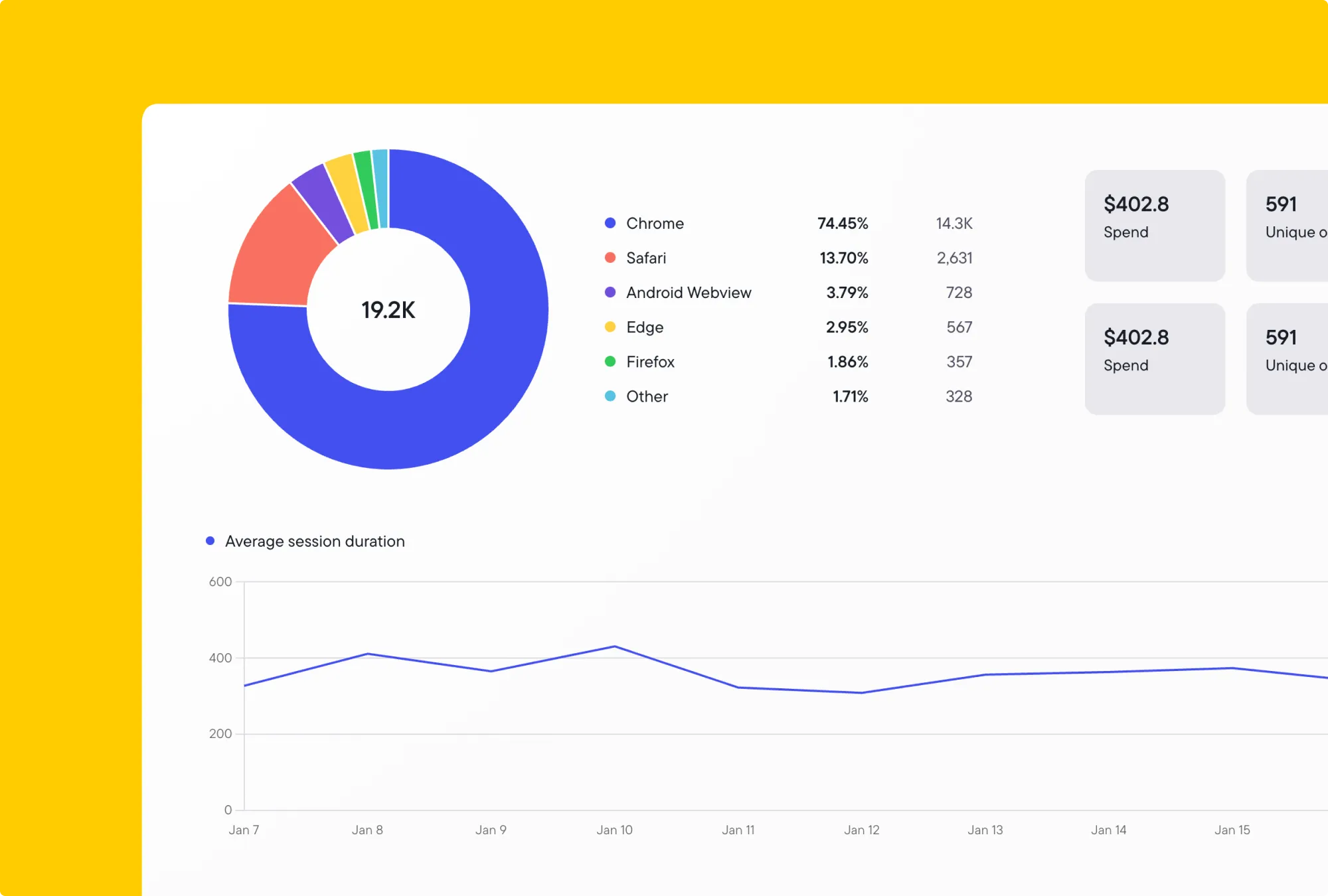
Micro-moments shift fast, and keeping up with performance across multiple platforms is almost impossible without automation. Birch’s cross-platform reporting pulls your KPIs, charts, and breakdowns into a single dashboard, making it easy to spot what’s working.
Birch’s cross-platform reporting
You can compare timeframes, monitor trends, and even send scheduled reports straight to your email or Slack. It’s an easy way to stay on top of performance without spending hours digging through ad managers.
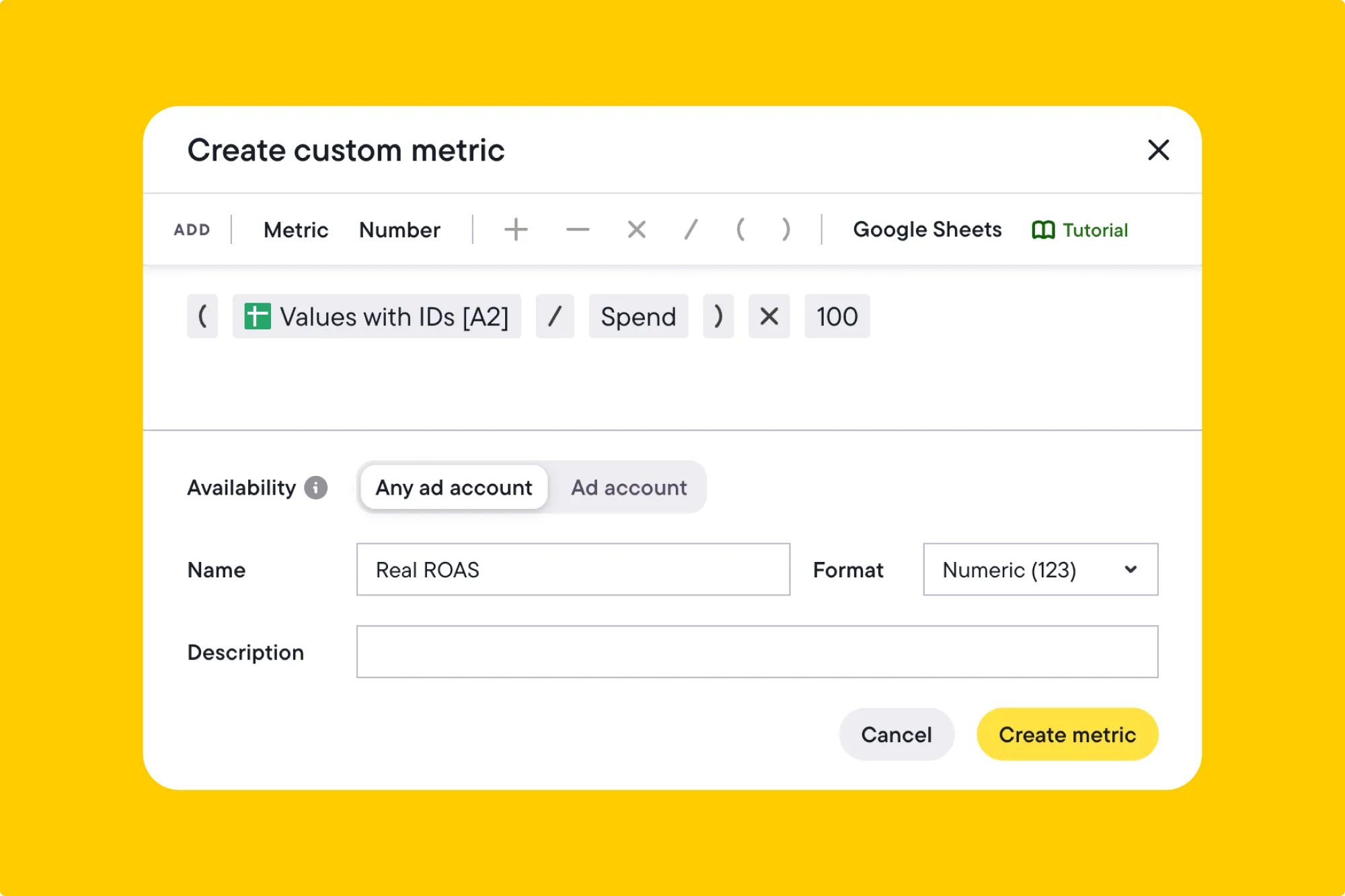
Birch also lets you plug in your own metrics from Google Sheets, so your automated rules can react to the numbers you trust most. This is especially useful post-iOS, when you need a more complete view to know when to scale or pause.
Birch custom metric with Google Sheets
Turning micro-moments into measurable momentum
You’re not alone if you’ve ever looked at your screen time and wondered how you jumped between four apps in two minutes. Users no longer follow a clear funnel. They dip in and out of platforms, find inspiration in one place, research in another, and buy when something finally clicks.
Micro-moments are the touchpoints that shape those decisions.
For marketers, this is where the real opportunity emerges. If you can show up with the right content at the right time, you can influence decisions in a way that feels useful—not intrusive. When you build your strategy around micro-moments, your marketing aligns with how people actually behave.
Ready to turn micro-moments into real results? With Birch, you can track trends, spot strong performers, fix fatigued ads, and automate the repetitive work—all in one dashboard.
Explore Birch with a 14-day free trial
Marketing today isn’t about long attention spans or predictable user journeys. Users jump between different apps, searches, and messages, following whatever catches their eye in the moment. It’s in those tiny windows of intent—the seconds when someone reaches for their phone to check, compare, learn, or buy—where decisions are made.
These are called micro-moments.
They are brief, high-intent interactions where a user wants something right now. It might be a quick search, a 10-second TikTok tutorial, checking directions on Maps, or tapping through Reels for inspiration.
Google originally defined four types of micro-moments that still shape how people behave today:
“I-want-to-know” moments when someone is actively learning or researching
“I-want-to-go” moments when they’re looking for a nearby place or destination
“I-want-to-do” moments when they need help completing a task or trying something new
“I-want-to-buy” moments when they’re ready to purchase and weighing options
Together, these small moments build the entire customer journey.
In this article, we’ll break down how micro-moments show up across different platforms, how leading brands tap into them, and the strategies you can use to stay relevant in these fast, intent-driven moments.
Key takeaways
Micro-moments are the intent-driven seconds when people reach for their devices to learn, find, do, or buy something. They occur constantly across platforms.
The customer journey is no longer linear. People jump between apps, formats, and content types in minutes, meaning brands must show up at the right time, not just in the right place.
Meta, TikTok, Snapchat, and Google shape micro-moments differently. Strategies should be adapted for the platform rather than following one “universal” approach.
AI-powered tools like Meta’s Advantage+, TikTok’s algorithm, and Google’s intent signals help surface your ads when users are most receptive—but only if your creatives speak to those moments.
Real-time measurement is important. When you monitor creative fatigue, watch for shifting intent signals, and update ads quickly, you can stay aligned with users’ fast-moving behavior.
Cross-platform tools like Birch make this process easier by bringing all your data, trends, and alerts into one place so you can react the moment behavior changes.
What’s changed—Meta’s research and the shift to non-linear interactions
Over the past few years, Meta has found that people no longer move through a neat, step-by-step buying journey. The conventional, linear funnel is now outdated. Non-linear, omnichannel interactions, iterations, and moments of influence are having the most impact.
These days, users move in loops—from discovering a new brand to forgetting about it, seeing it again somewhere else, and eventually taking action when something clicks.
It’s no longer that one ad, video, or search that influences a user. What really makes the difference is the combination of all the little touchpoints along the way—like a quick Reel they watched half of or a product they saw promoted on TikTok but didn’t tap.
All these micro moments add up, and they often matter more than a full-length campaign.
Because users behave this way, the idea of engagement is shifting. Long-form content still has its place, but what tends to work best is a series of small, meaningful interactions that fit naturally into someone’s day.
Reach still matters, but relevance is what wins. You can reach millions of users and still feel invisible if the content doesn’t match the moment a person is in.
Brands have an advantage when they notice the small intent signals, adapt quickly, and show content that actually resonates with the user—the content that matches what they’re thinking and feeling right then and there.
💡 Pro tip: Micro-moments move fast, and you need tools that move with them. Birch connects automation, creative testing, and real-time alerts across platforms, making it easier to react to what people are doing in the moment.
How each platform approaches micro-moments
Meta—building momentum with Reels and Advantage+
Users check Meta apps throughout the day, sometimes without even thinking. That makes Meta a natural home for micro-moments. Whether someone is scrolling for inspiration, killing a minute between tasks, or looking for quick answers, those brief stops are chances for your brand to appear at exactly the right time.
Formats like Reels and Stories are designed for these fast interactions. They deliver quick, visual hits of information that match how people actually use their phones. Home Depot’s short “how-to” videos are great examples. They surface just as users are searching for DIY help, meeting them in the moment they need guidance.
Meta’s Advantage+ suite takes this a step further. Its AI tests creative variations, adjusts targeting, and reallocates budget in real time.
Behind the scenes, Meta keeps learning. If someone watches your Reel but doesn’t convert, Meta registers that behavior and adjusts delivery, testing new creatives or placement automatically.
When your campaigns rely on fast, fleeting micro-moments, you need a clear view of what’s actually working and what’s starting to slow down.
That’s where Birch’s Explorer for Meta makes a difference. It tracks your key metrics in real time, compares creatives side-by-side, spots early signs of ad fatigue, and quickly pinpoints the formats or posts driving the strongest results.
TikTok—native short-form and intent through entertainment
TikTok is built for micro-moments. The algorithm constantly reacts to user behavior, creating an “always-on” discovery loop. People don’t come to TikTok with a plan. They come to be entertained—and that’s why the smallest spark of interest can become an “I want this” micro-moment.
Sound plays a huge role. According to a report by Markopolo.ai, 88% of consumers say sound is what makes the TikTok experience. A strong sound or hook grabs attention and makes a product or idea stick.
Creators amplify this. They turn brand messages into content that feels natural, personal, and genuinely useful. A simple “here’s what I bought” or “watch this quick hack” clip can trigger thousands of “I-want-to-buy” moments because it feels like a recommendation from someone you trust.
Because TikTok’s algorithm moves so quickly, creatives that don’t perform within hours get deprioritised. You need a real-time read on what’s resonating so you can tweak hooks, swap clips, or jump onto emerging trends while they’re still hot.
TikTok Ads Manager helps highlight early engagement patterns, showing which videos are catching attention or losing it. That makes it easier to adjust your strategy in the moment.
Snapchat—ephemeral content and contextual intimacy
Snapchat ads and stories are deeply connected to real-life moments, whether it’s location-based targeting, live events, or social interactions between friends. This context makes the content feel natural. A quick restaurant ad seen before lunch or a product demo surfacing near a relevant event can spark those “I-want-to-go” and “I-want-to-buy” moments.
Snapchat content disappears fast, which encourages immediate reactions. People have to think and decide right away, creating a sense of urgency. Limited-time offers, behind-the-scenes, and flash drops are some of the strategies that tend to perform well because they create that “now or never” feeling.
Every interaction, no matter how small, helps refine targeting and creative decisions, showing which messages or visuals are genuinely resonating. With Snapchat Ads automation tools, those adjustments can happen instantly.
Voluminous Original Mascara campaign results
A standout example of Snapchat micro-moments in practice is L’Oréal Paris. With a platform takeover and integration inside the “E! The Rundown” show, L’Oréal drove 2.4× the benchmark lift in ad awareness, along with +9 points lift in recommendation intent and +10 points lift in brand imagery among Gen Z females.
Google—the original micro-moment framework
Google’s “I-want-to-know, I-want-to-go, I-want-to-do, I-want-to-buy” framework is still at the core of marketing today. Even though attention has shifted to video and social platforms, Google continues to capture these moments through discovery and context. For example, a quick “near me” search, a YouTube tutorial, or a product review are all micro-moments in action.
Tools like Google Ads Insights, Search Console, and Google Trends make it easier to spot when and where audiences are more receptive.
Video format strategies across platforms
People move through content at speed, which means your video has only a few seconds to grab their attention. Those opening moments determine whether the user will continue to watch the video or scroll past. A strong hook, a clear visual idea, and a message that delivers value quickly make all the difference.
Each platform has its own rhythm, but short-form video tends to perform well everywhere. A clip that excels on TikTok might need trimming or a new intro to work as a Reel, but many creators repurpose content across different platforms.
The key is to test different video lengths, viral sounds, and hooks to see what works best for your brand. Meta’s mobile-first ad tools can also help you adapt assets quickly and keep them aligned with how people watch across placements.
Measurement and optimization
Once your videos and creatives are out there, the real work starts. How people respond to your content is what guides smarter decisions moving forward.
Every insight tells you something. Each view, swipe, skip, or tap feeds a continuous feedback loop that helps you refine your targeting, creative, and placements.
In a micro-moment environment, people don’t move through long consideration phases. Your measurement strategy should reflect that. Instead of judging each platform separately, look at how they work together to move someone from “I just saw this” to “I think I’ll buy this.”
This is where automation becomes essential. When your tools can combine data across Meta, Google, TikTok and Snapchat, you get a clearer picture of the full journey.
It’s not possible to track everything manually—and that’s where Birch can help.
Micro-moments shift fast, and keeping up with performance across multiple platforms is almost impossible without automation. Birch’s cross-platform reporting pulls your KPIs, charts, and breakdowns into a single dashboard, making it easy to spot what’s working.
Birch’s cross-platform reporting
You can compare timeframes, monitor trends, and even send scheduled reports straight to your email or Slack. It’s an easy way to stay on top of performance without spending hours digging through ad managers.
Birch also lets you plug in your own metrics from Google Sheets, so your automated rules can react to the numbers you trust most. This is especially useful post-iOS, when you need a more complete view to know when to scale or pause.
Birch custom metric with Google Sheets
Turning micro-moments into measurable momentum
You’re not alone if you’ve ever looked at your screen time and wondered how you jumped between four apps in two minutes. Users no longer follow a clear funnel. They dip in and out of platforms, find inspiration in one place, research in another, and buy when something finally clicks.
Micro-moments are the touchpoints that shape those decisions.
For marketers, this is where the real opportunity emerges. If you can show up with the right content at the right time, you can influence decisions in a way that feels useful—not intrusive. When you build your strategy around micro-moments, your marketing aligns with how people actually behave.
Ready to turn micro-moments into real results? With Birch, you can track trends, spot strong performers, fix fatigued ads, and automate the repetitive work—all in one dashboard.
Micro-moments are short, high-intent moments when people grab their phone to solve an immediate need. Google outlines four types: I-want-to-know, I-want-to-do, I-want-to-go, and I-want-to-buy. These moments form the fast, non-linear paths people take before making a decision.
How are micro-moments different from the traditional buyer journey?
Traditional funnels assume people move through fixed stages, from awareness to purchase. Micro-moments reflect how people actually behave today: they jump between platforms, channels, and intentions within seconds.
Which platforms are best for capturing micro-moments?
Meta, TikTok, Google, and Snapchat all play a role. Each platform supports intent differently. For example, Meta is best for emotion-driven discovery, TikTok for inspiration, Google for active search, and Snapchat for personal connection.
How do I know if my brand is actually winning micro-moments?
Look at the small signals, not just the big numbers. If you start seeing faster click-throughs, more saves, replies, and swipe-ups, and stronger engagement on short-form content, this suggests you’re showing up at the right time. Another indicator is when your CPA drops without increasing spend.
What is Birch Explorer?
Birch Explorer helps marketers understand how their creatives are actually performing on Meta Ads. It shows you which ads are winning, which are slipping into fatigue, and where your budget is being wasted. Explorer gives you a clear view of trends, comparisons, and downtrending ads so you can make fast, confident decisions.
What happened to Revealbot?
Revealbot has a new look and a new name—we’re now Birch! The change highlights our focus on bringing together the best of automation and creative teamwork.
Sara Alimehmeti
is a content writer with five years of experience publishing content for the Business, Marketing, and Travel domains. She specialises in writing articles, blogs, and social media posts that help brands communicate their voice and stay engaged with the audience.